

Industrial Little PCs
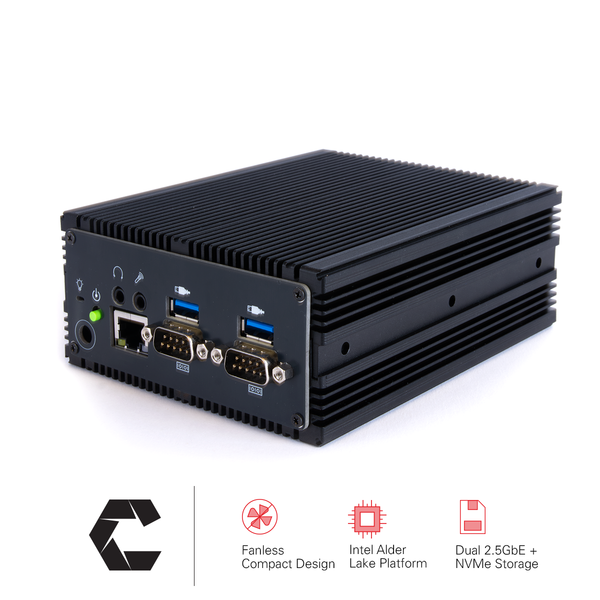
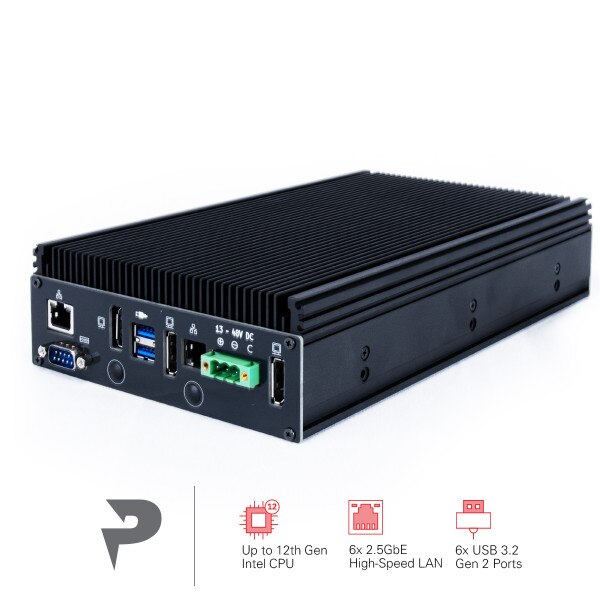
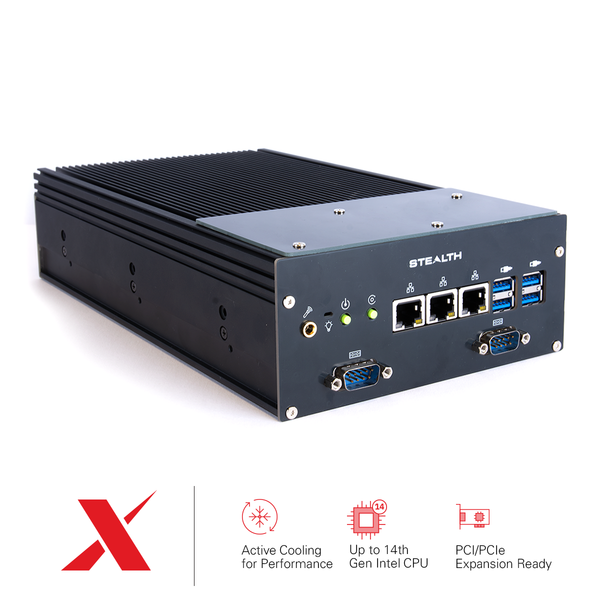
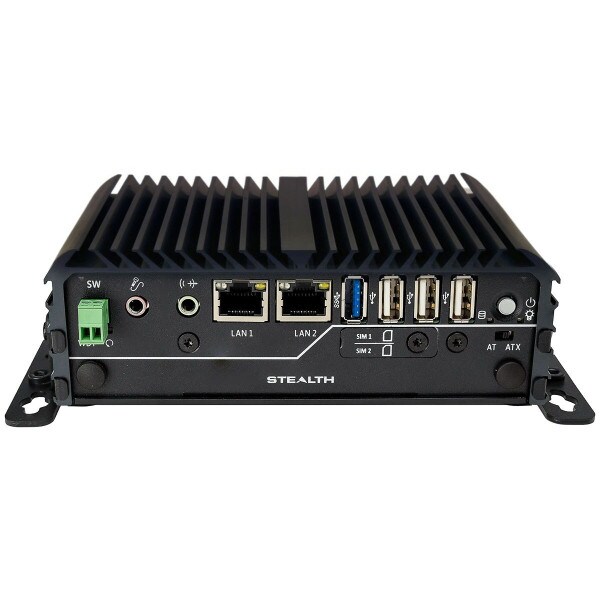
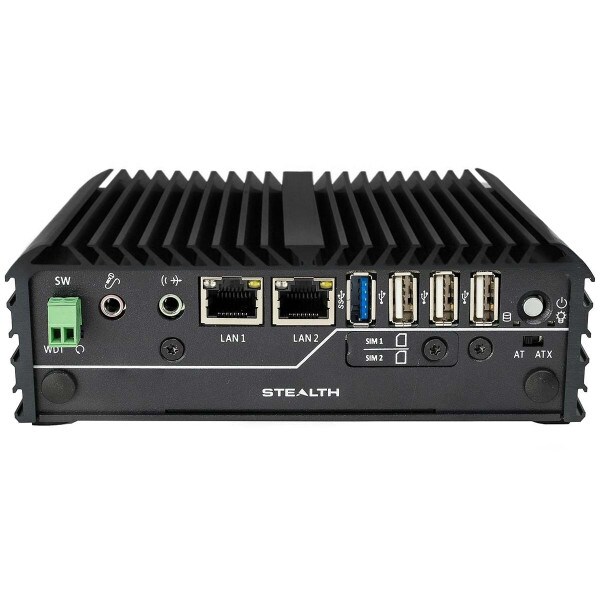
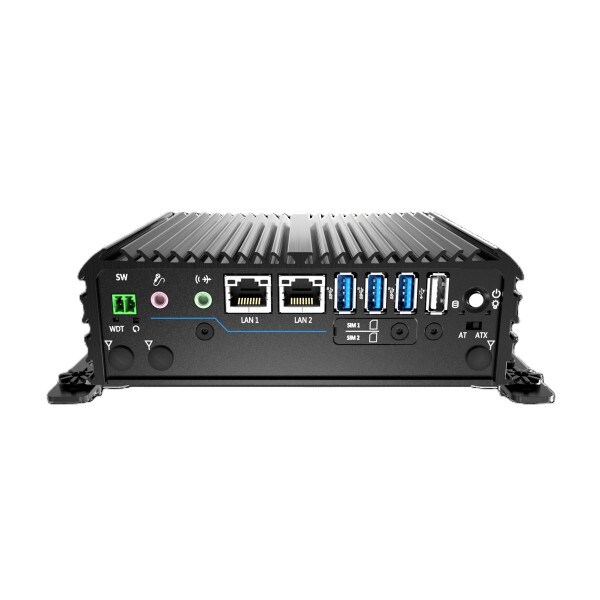
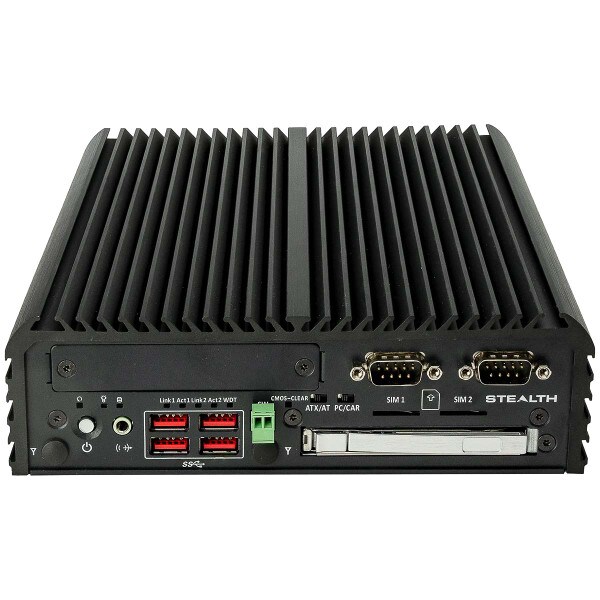
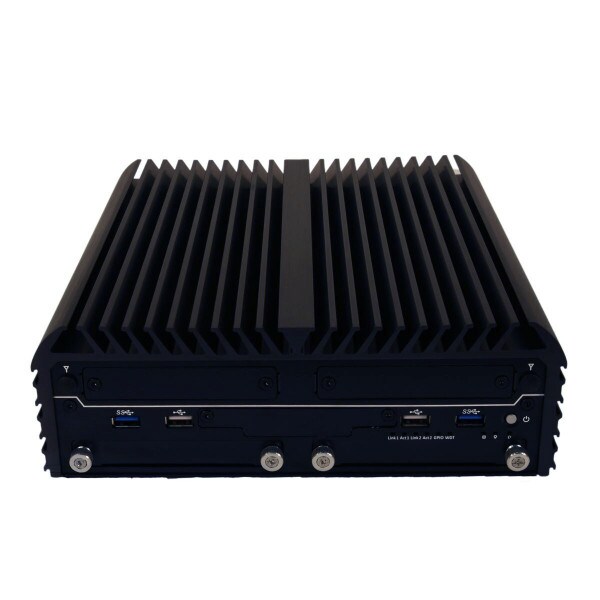
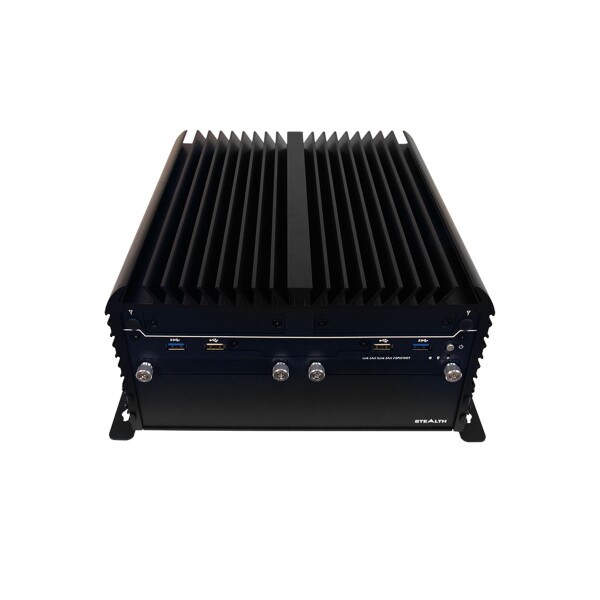
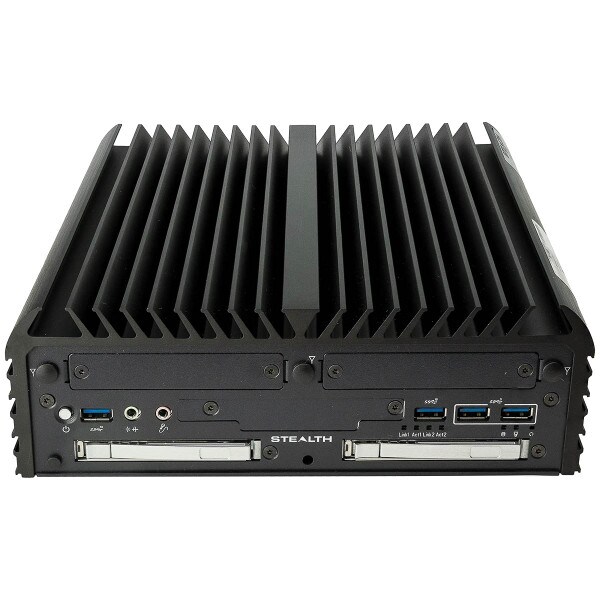
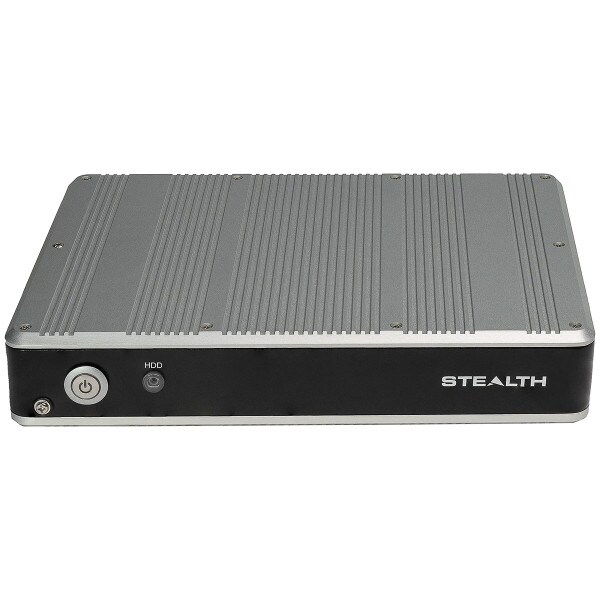
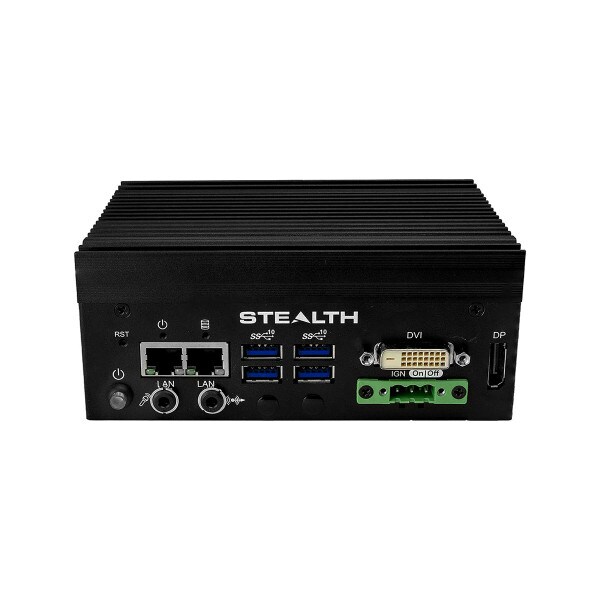
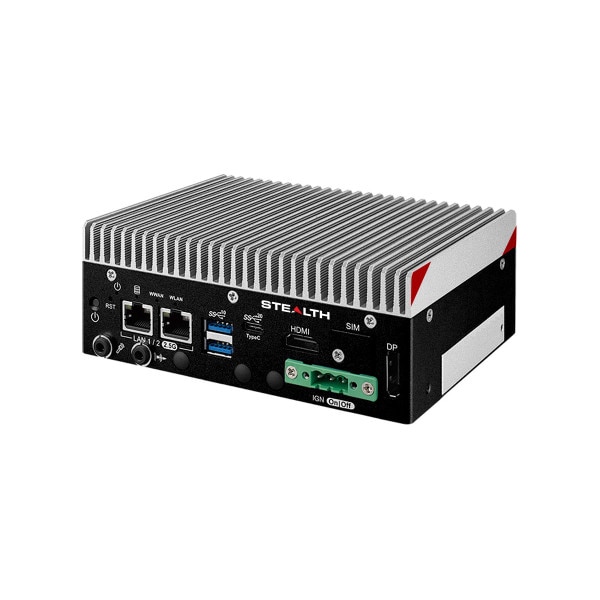
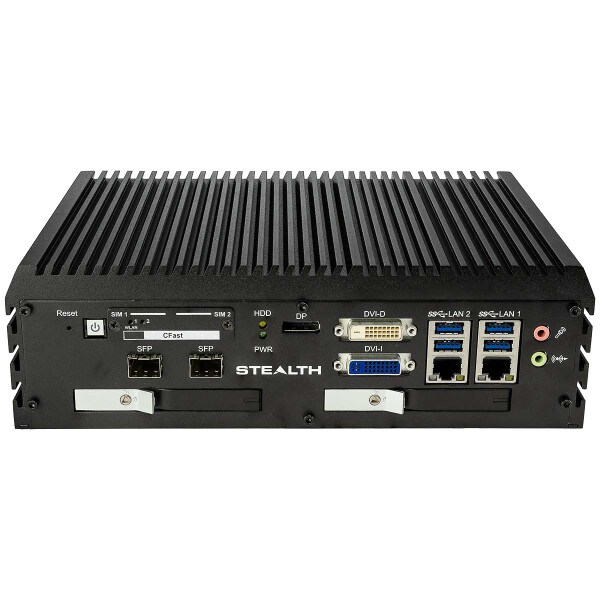
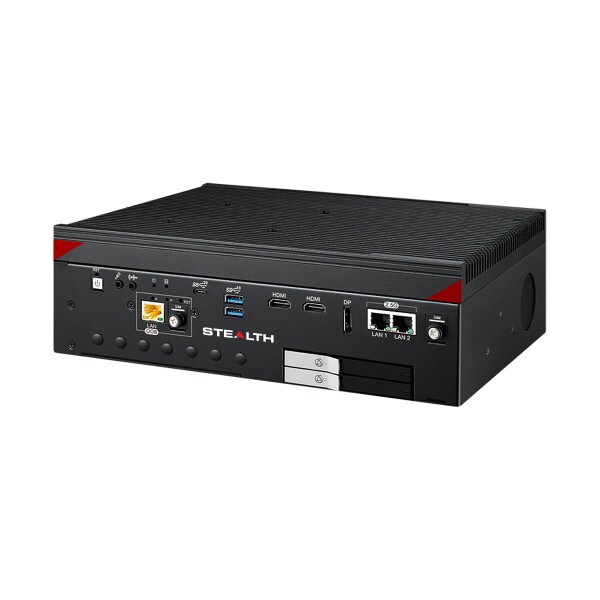
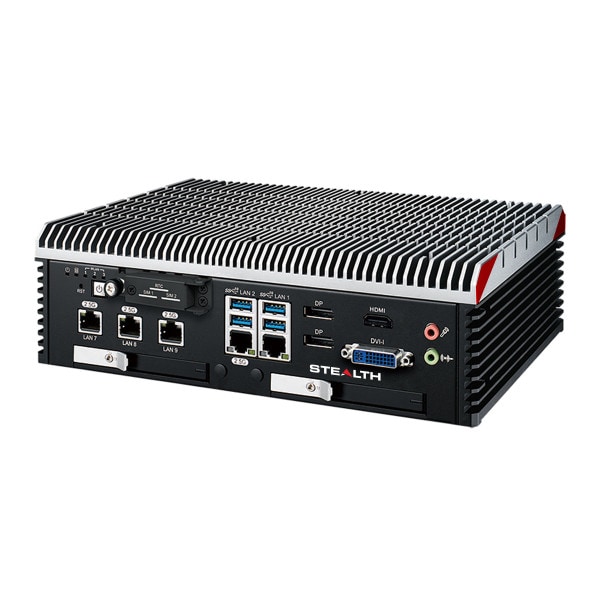
Stealth Little PCs are compact industrial computers designed for reliable operation in space-constrained environments and long lifecycle deployments.


23 Products
Narrow By
23 Products


FAQ Section
01
What industries and applications use Stealth Little PCs?
Stealth Little PCs serve industrial manufacturing, transportation, defense, marine, utilities, and scientific research. On the factory floor they run SCADA front-ends, HMI clients, and PLC gateways where dust, vibration, and continuous duty cycles disable commercial mini PCs. In transportation, wide DC inputs (9–55V) and CAN bus support enable fleet management, passenger information systems, and onboard diagnostics. Defense and government deployments use TPM 2.0 for BitLocker encryption and TAA compliance where federal procurement requires it. Marine units operate at helm stations and below-deck acquisition points where saltwater air and temperature swings are constant hazards. Utilities rely on LPCs as RTU-adjacent data concentrators at remote power generation, water treatment, and oil and gas sites. Scientific field teams use them for environmental monitoring, geophysical data logging, and remote sensing. Across every sector the shared requirement is continuous, reliable operation in conditions commercial IT hardware cannot sustain.
02
How do the Core, Performance, and Xtreme tiers differ for Little PCs?
Stealth structures the Little PC lineup into three tiers matched to environment and workload intensity. Core LPCs use Celeron-to-Core series Intel processors with fanless or low-power thermal designs for controlled settings — control room HMIs, digital signage, data loggers, and embedded OEM systems where stability and cost efficiency matter most. Performance LPCs step up to Core i5, i7, and i9 processors with stronger thermal management, expanded I/O, and multi-display support for edge analytics, machine vision, and data-intensive automation under variable conditions and vibration. Xtreme LPCs are fully ruggedized with sealed or fanless enclosures, extended temperature ranges, and shock and vibration ratings for military, marine, outdoor, and in-vehicle deployments. Select Core and Performance models are available via Quick Ship and ship within 24–48 hours for urgent needs.
03
Why does fanless design matter for industrial Little PC deployments?
Standard PC fans draw in dust, metal shavings, moisture, and chemical particulates — contaminants that accumulate on circuit boards and cause progressive failure over time. Fans also wear out mechanically, a serious risk at remote or embedded sites where scheduled maintenance may be months away. Stealth fanless LPCs eliminate the fan entirely, using thermally coupled chassis walls and heat pipes to move processor heat through the outer enclosure surface. The advantages are threefold: silent operation for noise-sensitive environments, no mechanical wear paths and therefore no fan-related failures, and a sealed interior free of contaminants. A fanless LPC in a dusty factory cabinet, outdoor enclosure, vehicle console, or marine below-deck space runs for years without cleaning, filter changes, or servicing — the direct result of Stealth's 30-plus years of industrial thermal engineering expertise.
04
Can Stealth customize a Little PC, and what is the Quick Ship program?
Stealth configures Little PCs to application-specific requirements before shipment, covering processor tier, memory, storage, OS image (Windows IoT or Linux), and I/O layout for the target workload and environment. Custom capabilities extend to OEM private labeling, BIOS and firmware optimization, and custom bezel or chassis design for specific machine enclosures — trusted by Fortune 500 manufacturers, military programs, and government agencies for over 35 years. For urgent needs, Quick Ship maintains pre-configured, in-stock LPC models ready to ship within 24–48 hours — the right solution for emergency replacements, unplanned field failures, or tight project deadlines. Contact Stealth sales and engineering to discuss your configuration or custom solution.